
Men's Mental Health Program
A steady space for men who want to feel clear, capable, and in control again.
Life gets heavy for everyone.
But the way many men carry that heaviness often looks different.
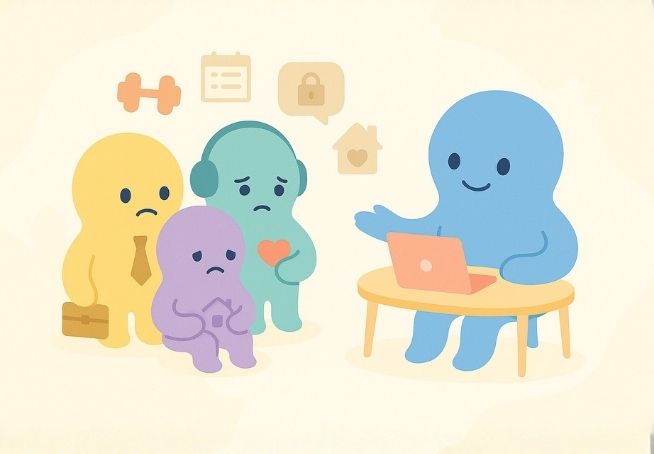
Life's heaviness may show up differently for everyone.
You don’t need a crisis to reach out. You don’t need a diagnosis. You don’t need the “right” words. You just need a space where what you’ve been carrying can finally land.
Being on edge for no obvious reason
Feeling irritable with people you care about
Snapping even when you don’t want to
Pushing yourself harder because slowing down feels worse
Relying on work, productivity, substances, or screens to quiet your mind
Feeling restless or burnt out
Doing “fine” on the outside but feeling stretched thin on the inside
What Men Often Want From Therapy?
A lot of men prefer therapy to feel clear, practical and straightforward. Not a deep dive into childhood in the first 10 minutes. Not endless talking without a clear direction. Most men tell me they want to:
- Feel more in control of their reactions
- Stop snapping at people they care about
- Sleep better
- Lower the internal pressure
- Get their focus and steadiness back
- Work through stress or anger without shutting down
- Feel like themselves again
Support Men. That’s the work we do here — clear, practical, and grounded.
My approach is straightforward and outcome-focused. I integrate evidence-based counselling with modalities that help when talking feels difficult, unfamiliar, or uncomfortable. You’ll have access to:
- Clinical Counselling. Clarity, strategy, and guided processing — not just “venting.”
- Clinical Hypnotherapy. For stress, cravings, panic, fear, sleep, anger, pain, and emotional patterns that feel stuck.
- Breathwork. For agitation, overwhelm, and restless energy that won’t switch off.
- Meditation Coaching. For focus, grounding, and mental steadiness.
Supporting substance cycles, emotional regulation, and recovery patterns in a non-judgmental way.
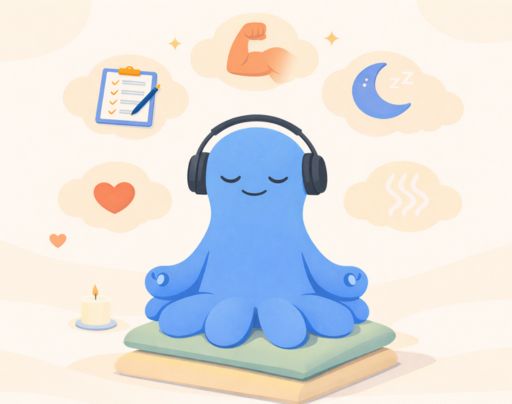
First Steps Into Support
We create a clear, steady path to help you reduce pressure, understand your reactions, and feel more in control.
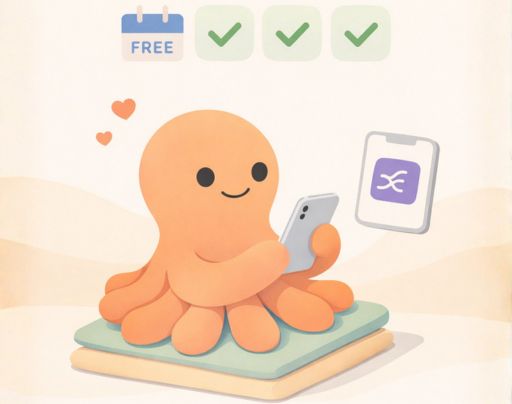
Free Sessions & Structured Support
Many men thrive when there’s a clear structure that actually moves things, rather than one-off sessions.
If You Are Eligible for TELUS Health MindFit
Men ages 18+ in Alberta, British Columbia, Ontario, and Quebec may be able to access
Three free virtual counselling sessions.
You can find me, Anjali Nagda, listed as a practitioner on the TELUS Health platform and book directly through the app.
Men’s Mental Health — FAQ
Practical answers to common questions about therapy and support for men at The Minds Matter.
That’s completely okay.
A large percentage of the men I see are starting therapy for the first time. My job is to guide the process so you don’t feel lost — clear questions, clear structure, and a steady pace so you’re never dropped into the deep end.
If it’s affecting how you show up — at home, at work, in your body, or in your mood — it’s worth addressing.
Therapy isn’t only for breakdowns. It’s for getting ahead of things before they become bigger problems.
No.
I’m skilled at asking grounded, practical questions that keep the work moving. If talking feels uncomfortable, we can use tools like breathwork or hypnotherapy to help you settle first.
You won’t be left to “fill the silence.” I guide the session, and you choose how much you want to say.
Not Sure If You’re Ready? Reach Out Before You Decide